May 26, 2026
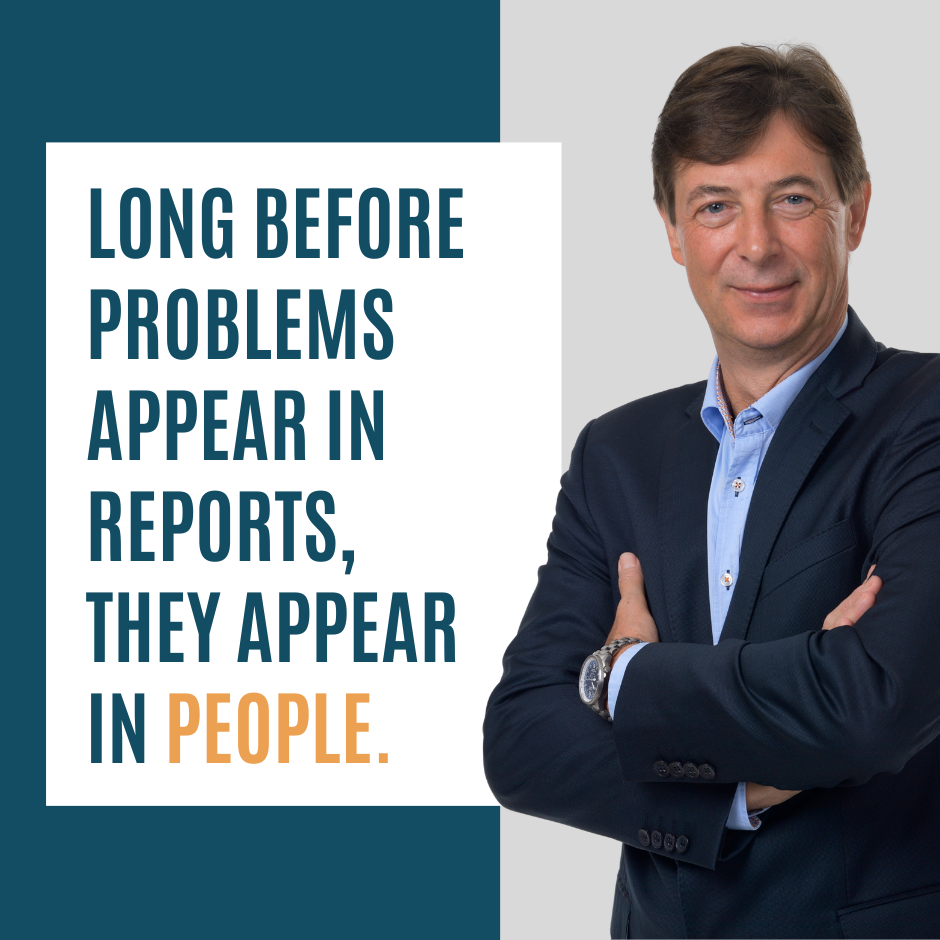
Project issues rarely start in reports – they start in conversations left unsaid. This article explores the importance of trust, open communication, and leadership presence, showing how listening to people on the ground can uncover risks long before they appear on a dashboard.

May 19, 2026
In this personal reflection, our CEO shares lessons learned from life on international project sites – highlighting the challenges, sacrifices, and human connections behind major industrial projects. It's a reminder that while projects build plants, they also shape the people who bring them to life.

May 07, 2026
Projects often slow down not because teams lack effort, but because complexity replaces clarity.
Too many meetings, stakeholders, and layers of coordination can keep teams busy without creating real progress.
The strongest project teams move differently – they simplify early, reduce friction, make faster decisions, and stay focused on execution.
April 23, 2026
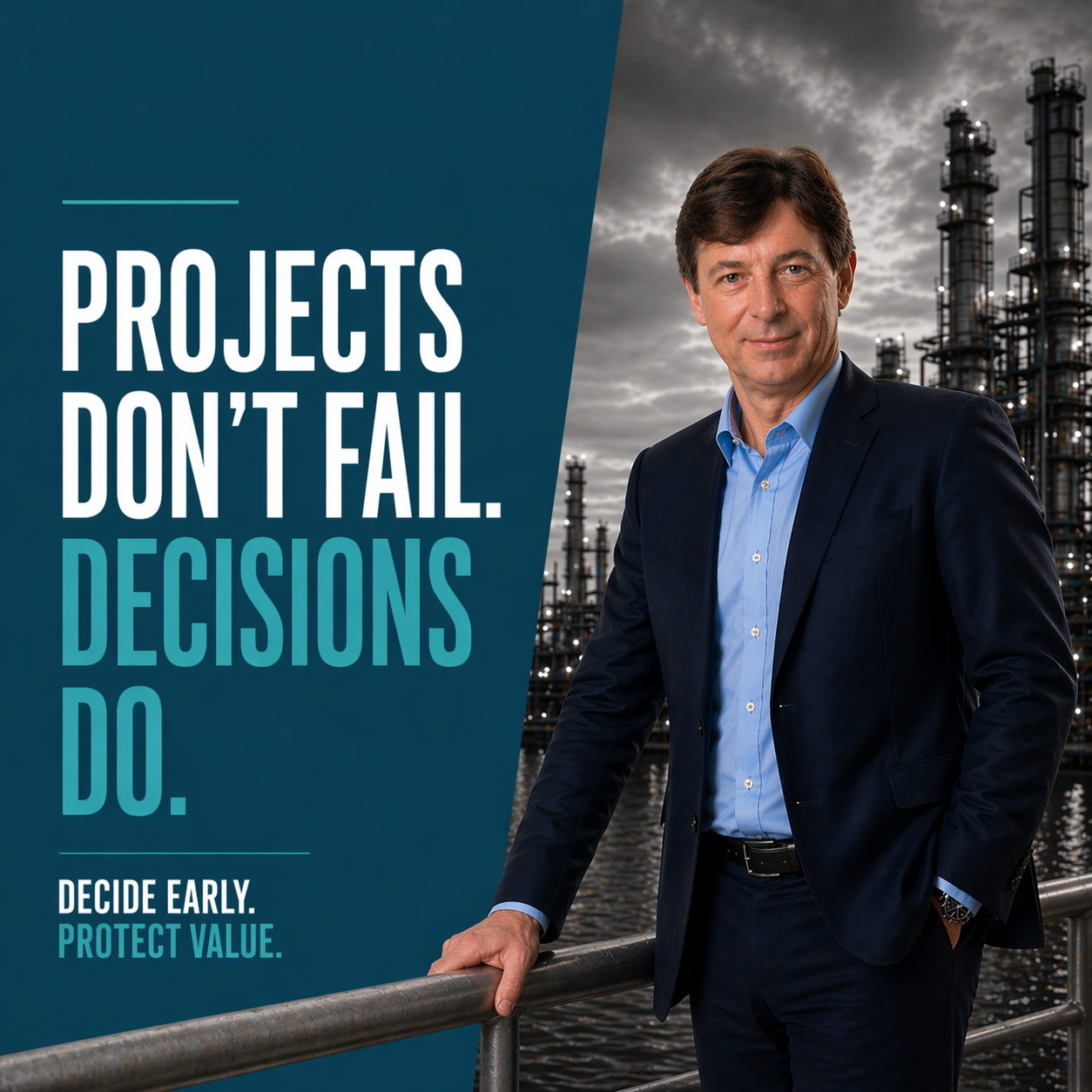
Most projects don’t collapse in crisis. They erode in silence; rhrough delayed decisions, unclear ownership, and avoided escalation. The real risk isn’t complexity. It’s hesitation.
April 15, 2026
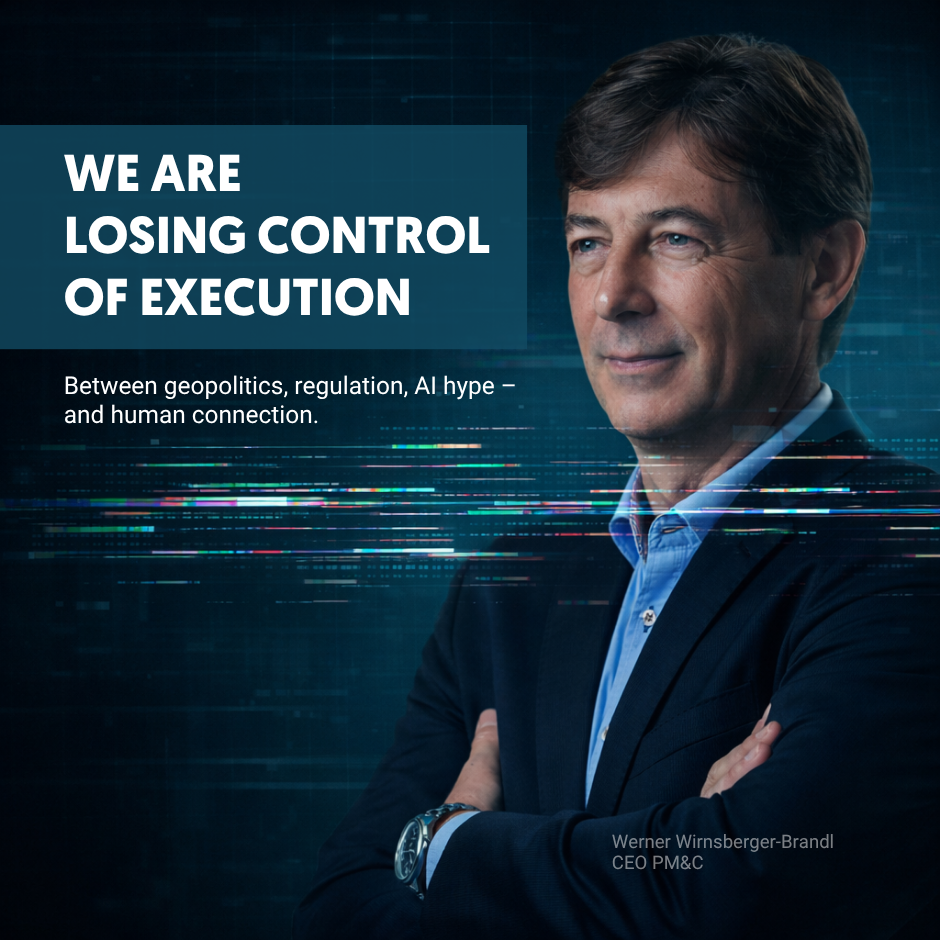
Geopolitics shifts. Regulation tightens. AI promises clarity.
Yet projects struggle more than ever. The real gap? Leadership close to execution.

March 26, 2026
Cheap leadership is rarely cheap. If you're investing hundreds of millions in CAPEX – why would you compromise on the leadership that determines the outcome?

March 19, 2026
Misalignment – not scope change – is a key risk in large capital projects. “We’re aligned” often masks unresolved issues that later cause delays and costs. True alignment must be tested and observed closely. Effective leadership stays engaged, reads between the lines, and addresses hidden friction early–turning alignment into real execution.

March 13, 2026
Large capital projects rarely fail due to technical issues but because leadership is underestimated. As projects scale, decision-making slows, governance blurs, and tensions rise. These projects require experienced leadership beyond the line organization. External leaders can add value through perspective, independence, and early challenge – making leadership a key driver of project success.

February 25, 2026
Quiet high performers make rational decisions. And the market for proven project execution leaders is tight.
From what we observe across companies, organizations that outperform in capital delivery do one thing differently:
They reward those who reduce risk – not those who describe it best.
February 12, 2026
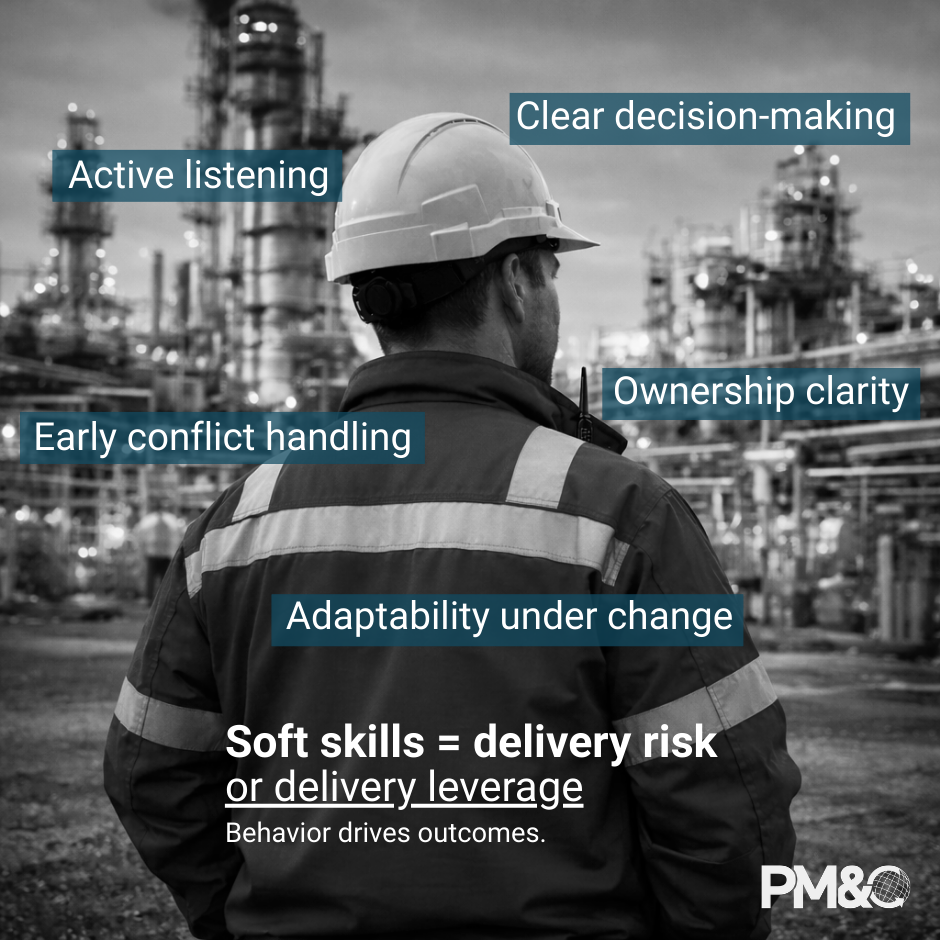
Soft skills don’t show up as “culture issues.” They show up as delivery risk – or delivery leverage. They’re not “nice to have.” They’re the difference between teams that execute and those that explain why they couldn’t. Interim project leaders don’t inherit culture. They inherit behavior.