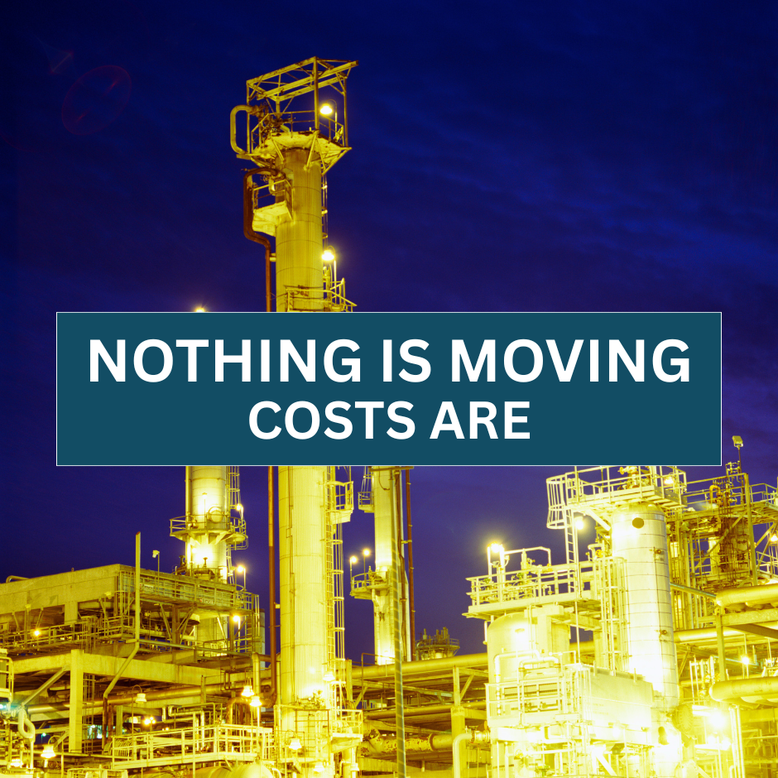
In large construction, mill, facility, and process industry projects, the real risk is often not technical complexity.
It's organizational hesitation.
Everyone knows:
- The schedule is fiction.
- The scope is bloated.
- The contractor isn’t delivering.
- The project no longer serves the original business case.
Yet, the project continues – quietly burning capital – because challenging it carries political costs.
After 40 years leading, rescuing, and resetting complex construction, facilities, and mill projects, one truth stands out:
👉 Projects don’t turn around when people work harder.
👉 They turn around when someone independent makes the hard calls.
This is where interim project leadership provides significant value.
Not because interims are smarter –
but because they are independent.
Independent to:
- Internal history
- Career consequences
- Legacy decisions
- Comfort narratives
That freedom enables them to do what insiders often can’t:
- Reset reality early.
- Stop low-value work.
- Re-scope with brutal honesty.
- Hold suppliers accountable.
- Address persistent performance gaps without politics.
- Protect shareholder value, not reputations.
Projects rarely collapse overnight.
They bleed – slowly – while leaders wait for the "right moment" to act.
Sometimes, the most decisive leadership move a CEO or EVP can make is bringing in someone with no political future inside the organization – only a mandate to deliver results.
If this struck a nerve, it's probably for a reason.
❓ Where have you seen hesitation cost more than decisive disruption?
Write a comment